
(This page is for a conversation at Pub Theology, and should not be construed as opinions by the church or staff)
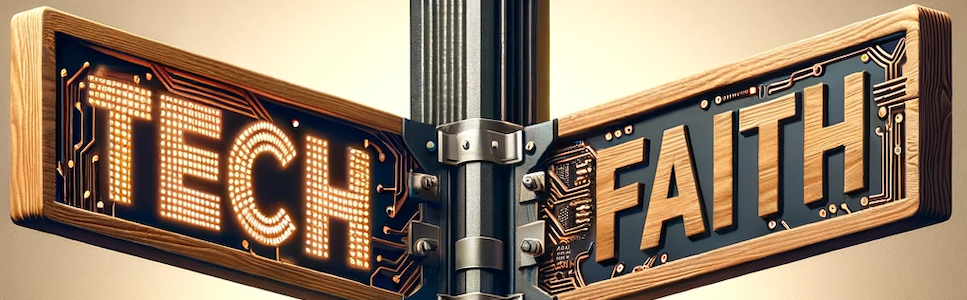
Ai can be a problem
Artificial Intelligence (AI) presents several challenges and concerns for people of faith in the coming years:
- Ethical and Moral Questions: AI raises questions about the nature of consciousness, free will, and what it means to be human. These issues can challenge traditional religious views on the soul and human uniqueness.
- Creation and Creator Relationship: Some faiths might see AI as a form of creation that challenges the divine role as the ultimate creator. This can lead to theological debates about humanity’s role in ‘playing God’.
- AI in Decision-Making: As AI systems play larger roles in decision-making, there could be concerns about whether these systems align with religious moral and ethical frameworks, especially in sensitive areas like healthcare or justice.
- Interpretation of Sacred Texts: AI’s potential use in interpreting religious texts might raise concerns about the preservation of traditional methods and understandings. It might challenge the authority of religious scholars.
- Autonomy and Control: The autonomy of AI systems might concern those who believe in divine providence and control. Questions about destiny, fate, and free will could become more complex.
- Economic and Social Impact: AI’s impact on employment and social structures could challenge religious communities’ teachings on social justice, poverty, and stewardship.
- Existential and Apocalyptic Concerns: Some might view the advancement of AI in the context of prophetic or apocalyptic narratives, leading to fear or misinterpretation of religious texts.
- AI as a Tool for Surveillance and Control: Concerns about AI being used for surveillance could conflict with religious teachings on privacy, dignity, and freedom.
- Diversity and Inclusion: The potential biases in AI systems could challenge religious teachings on equality and compassion, especially if these biases lead to discrimination.
- Spiritual Experience and Practice: The use of AI in religious practices, like virtual religious services or AI-generated prayers, might lead to debates about the authenticity and value of these technologically mediated experiences.
Each of these areas represents a complex interplay between technology, ethics, and faith, requiring thoughtful engagement and dialogue within religious communities.
Ai can be a blessing
Artificial Intelligence (AI) can be a blessing and a useful tool for people of faith in various ways:
- Enhanced Religious Education: AI can personalize religious education, adapting to individual learning styles and needs, making religious texts and teachings more accessible and engaging.
- Global Connection and Community Building: AI can help connect believers from different parts of the world, fostering a sense of global community and understanding across diverse religious traditions.
- Supporting Charitable and Humanitarian Efforts: AI can optimize resource allocation, predict needs, and enhance the efficiency of charitable initiatives led by faith-based organizations, making them more effective.
- Facilitating Spiritual Practices: AI can assist in scheduling prayer times, reminding believers of religious observances, and even guiding meditation or prayer practices, supporting individuals in their spiritual journey.
- Preservation and Analysis of Religious Texts: AI can aid in the preservation of ancient texts, helping in translation and interpretation, and providing new insights into religious scriptures.
- Enhanced Accessibility: For those with disabilities, AI can make religious services and texts more accessible, through technologies like speech recognition, translation, and virtual participation in religious events.
- Moral and Ethical Decision Making: AI can assist in ethical decision-making by providing information and perspectives that might be overlooked, although the final judgment would still rest with human beings.
- Social and Emotional Support: AI, through chatbots or virtual assistants, could provide comfort and basic counsel to people, especially in situations where a human spiritual leader is not available.
- Environmental Stewardship: AI can assist faith communities in managing their resources more efficiently and in promoting environmental stewardship, aligning with many religious teachings on caring for creation.
- Promoting Interfaith Dialogue and Understanding: AI can be used to analyze and find commonalities between different religious texts and teachings, promoting interfaith dialogue and mutual understanding.
While AI presents these potential benefits, it’s important for faith communities to approach its use thoughtfully, ensuring that it aligns with their values and teachings.